
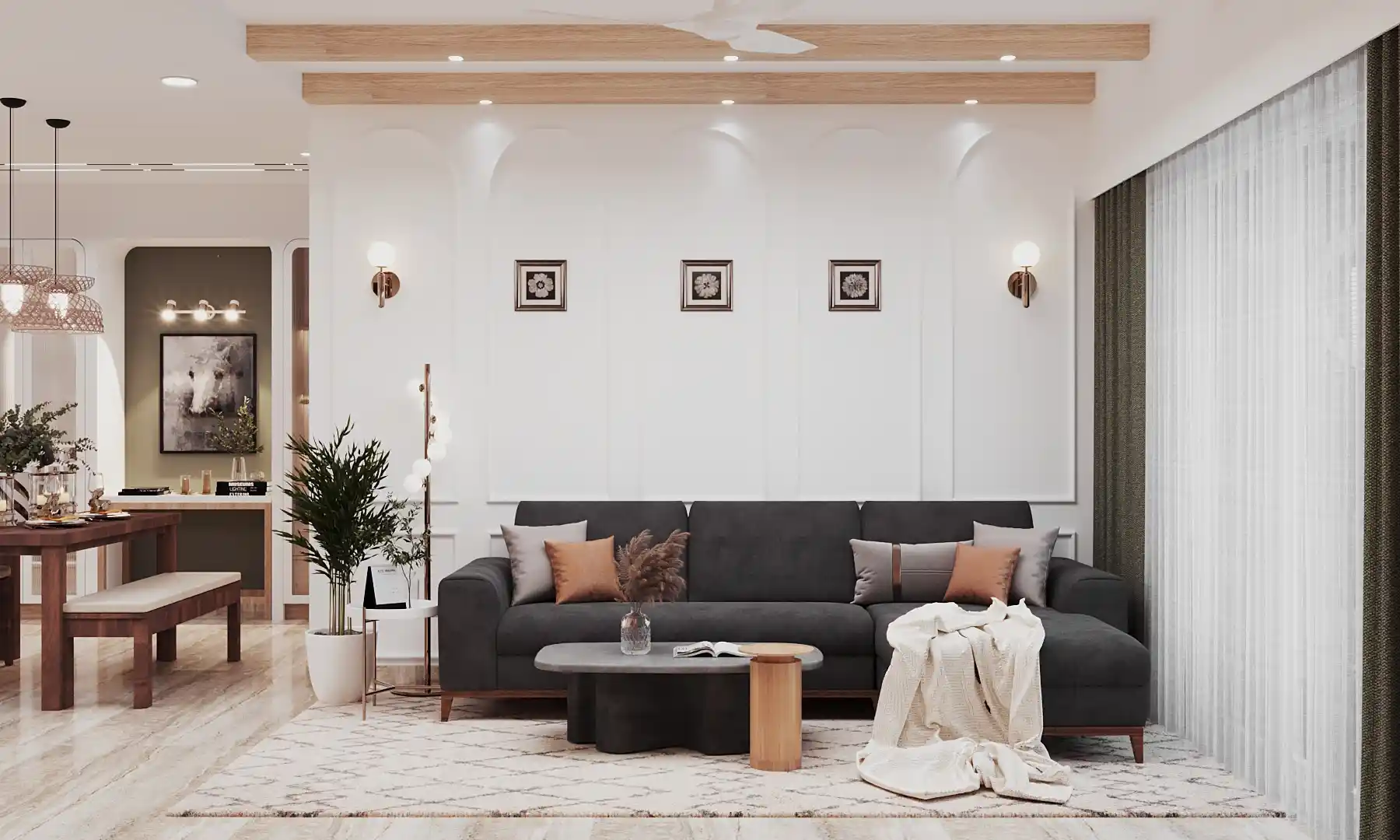
A thoughtfully designed home can change the texture of everyday life. It can make mornings more organised, evenings more relaxing, and family gatherings more enjoyable. In a vibrant residential neighbourhood such as HSR Layout, interior designers in hsr layout are creating homes where sophisticated aesthetics meet practical functionality, allowing residents to enjoy spaces that feel both elegant and effortless.
HSR Layout offers a diverse residential landscape, from contemporary apartments and compact urban homes to spacious villas and independent residences. Each property presents different design possibilities. A smaller apartment may require meticulous space optimisation, while a larger home can accommodate dedicated studies, entertainment areas, dressing rooms, and expansive social spaces.
Successful interior design begins with understanding the household. Daily routines, storage requirements, family structures, work patterns, personal tastes, and entertaining habits all influence the way a home should be planned.
Planning Spaces Around Real Life
A beautiful interior must function naturally. Spatial planning establishes the relationship between furniture, circulation, architectural elements, and functional zones before decorative decisions are made.
Living rooms should offer comfortable seating while allowing easy movement. Dining spaces should connect logically with kitchens and social areas. Bedrooms require tranquillity, privacy, and practical storage. Home offices should provide ergonomic arrangements and suitable lighting for extended use.
Flexibility is equally valuable. A spare bedroom might function as a guest room, study, or creative workspace. An unused corner can become a reading nook or compact workstation. Modular furniture can help spaces adapt as household needs change.
The objective is simple: design the home around the people who use it rather than forcing people to accommodate the design.
Maximising Space With Intelligent Solutions
Efficient space planning can make a significant difference, particularly in urban homes where every square metre matters.
Built-in wardrobes can use vertical space effectively, while integrated shelving can transform unused walls into practical storage. Concealed cabinets can keep everyday possessions organised without disrupting the visual composition.
Multifunctional furniture can further increase flexibility. A storage bench can provide seating and organisation, while a foldable desk can transform a quiet corner into a temporary workspace.
Mirrors can enhance the perception of depth, while sliding doors can reduce unnecessary circulation requirements. Open-plan rooms can be divided subtly using rugs, furniture placement, lighting, and material changes.
Smart planning makes a residence feel more generous without requiring additional floor area.
Establishing a Refined Visual Identity
Elegance begins with coherence. A home should possess a clear visual language while retaining enough variation to remain interesting.
Colour establishes the emotional foundation. Soft neutrals can create calmness, earthy shades introduce warmth, and deeper tones can add sophistication. Carefully chosen accent colours can provide vitality without overwhelming the overall palette.
Texture contributes another layer. Timber, stone, metal, glass, linen, leather, cane, and woven fabrics can create a tactile environment that feels rich without being excessive.
Contrast can be particularly effective. Smooth cabinetry beside a textured wall, warm wood against cool stone, or soft upholstery against a crisp architectural surface can establish visual rhythm.
True elegance rarely depends on abundance. It depends on balance.
Using Lighting to Elevate the Atmosphere
Lighting can dramatically influence how a home feels throughout the day. Natural daylight should be maximised wherever possible, while artificial illumination should be layered according to different needs.
Windows can provide generous daylight, while curtains and blinds regulate privacy and glare. Mirrors and reflective surfaces can distribute available light and make compact spaces appear brighter.
Artificial lighting should combine ambient, task, and accent sources. Ambient fixtures establish general illumination, task lighting supports activities such as cooking and reading, and accent lighting highlights artwork, architectural details, or decorative features.
Pendant lights can create visual interest above dining tables. Concealed lighting can emphasise cabinetry and niches. Floor lamps can create intimate corners for relaxation.
A carefully illuminated home feels more dimensional, welcoming, and adaptable.
Selecting Materials With Lasting Appeal
Materials influence the character, durability, and sensory quality of an interior. Natural timber brings warmth, stone introduces permanence, metal adds precision, and textiles soften harder architectural elements.
The strongest material palettes often use a restrained number of finishes with thoughtful contrasts. Natural wood can temper a contemporary kitchen, while textured upholstery can soften sleek furniture.
Durability should remain a central consideration. Flooring, cabinetry, countertops, and upholstery need to withstand everyday activity while retaining their visual appeal.
Natural materials can also age beautifully. Timber develops patina, stone reveals subtle character, and woven surfaces can acquire a lived-in quality that makes a home feel increasingly authentic.
Designing Kitchens for Everyday Efficiency
The kitchen has become one of the most important spaces within modern homes. It often serves as a cooking area, dining zone, social hub, and informal workspace.
Efficient planning should create logical relationships between food preparation, cooking, cleaning, and storage. Appliances should be positioned conveniently, while frequently used items should remain accessible.
Custom cabinetry can maximise storage and conceal appliances, maintaining a clean visual appearance. Durable work surfaces can withstand regular use while contributing to the room’s aesthetic.
Lighting also deserves attention. Focused task lighting can improve visibility across preparation areas, while decorative illumination can create warmth around breakfast counters and dining zones.
A well-designed kitchen should be efficient without losing its welcoming character.
Creating Peaceful Bedrooms
Bedrooms should feel like private retreats. Their design can prioritise tranquillity through calming colours, soft textiles, warm lighting, and uncluttered surfaces.
Custom wardrobes can provide generous storage without dominating the room. Upholstered headboards can introduce comfort and visual softness, while layered bedding can add subtle texture.
A reading chair near a window, a compact dressing area, or a small seating corner can enhance functionality without compromising serenity.
The most effective bedroom designs feel composed rather than overdecorated. Every detail contributes to relaxation.
Introducing Nature Into Urban Interiors
Biophilic design offers an elegant way to bring natural influences into city homes. Plants, timber, stone, woven materials, daylight, and outdoor views can establish a stronger connection with nature.
Indoor greenery can soften geometric architecture and introduce refreshing colour. Balconies can become small green retreats with suitable plants, comfortable furniture, and subtle lighting.
Natural materials such as rattan, cane, linen, terracotta, and timber can further reinforce this organic character.
Even modest additions can have a meaningful effect. A single sculptural plant or natural-material feature can bring visual calm to a contemporary room.
Integrating Smart Technology Discreetly
Smart technology can improve comfort, security, convenience, and energy efficiency. Automated lighting, motorised curtains, integrated entertainment, climate controls, and connected security systems are increasingly common in modern homes.
The key is discreet integration. Wiring, speakers, switches, and equipment can be concealed within architectural features and custom cabinetry.
Smart lighting can create settings for working, entertaining, dining, or relaxation. Automated curtains can regulate daylight and privacy. Integrated controls can simplify everyday routines.
Technology works best when it supports the design quietly rather than becoming its primary visual feature.
Adding Personality Through Thoughtful Curation
A sophisticated interior should still feel personal. Artwork, photographs, books, heirlooms, travel souvenirs, and collections can introduce emotional depth.
A cherished painting can become a focal point in a living room. An antique cabinet can provide contrast within a contemporary interior. A collection of books can turn a simple shelving system into a meaningful architectural feature.
Curation matters. Too many objects can create visual clutter, while a carefully selected collection can give the home a strong sense of identity.
Personal details transform design from decoration into expression.
Creating Homes That Evolve Gracefully
A successful home should be capable of adapting as lifestyles change. Flexible furniture, multipurpose rooms, durable materials, and adaptable layouts can accommodate new requirements without demanding constant renovation.
Sustainable choices naturally complement this philosophy. Long-lasting furnishings, responsible materials, energy-efficient lighting, and locally crafted elements can reduce unnecessary replacement while contributing distinctive character.
The strongest interiors are built around enduring principles rather than fleeting trends.
Elevating Everyday Living With Elegance
Elegance is ultimately created through the careful convergence of beauty, functionality, comfort, and individuality. A home should feel refined without becoming impractical and stylish without sacrificing warmth.
HSR Layout’s varied residential environment provides an exciting canvas for this approach. Compact apartments can be transformed through intelligent planning, while larger residences can benefit from carefully calibrated proportions, sophisticated materials, and personalised details.
When lighting, spatial planning, storage, technology, materiality, and personal expression work together, a home becomes more than an attractive setting. It becomes a place that supports daily routines with ease and gives ordinary moments a greater sense of comfort and beauty.
That is the enduring value of thoughtful interior design: creating spaces that do not merely look elegant, but make everyday living feel elegantly effortless.
