
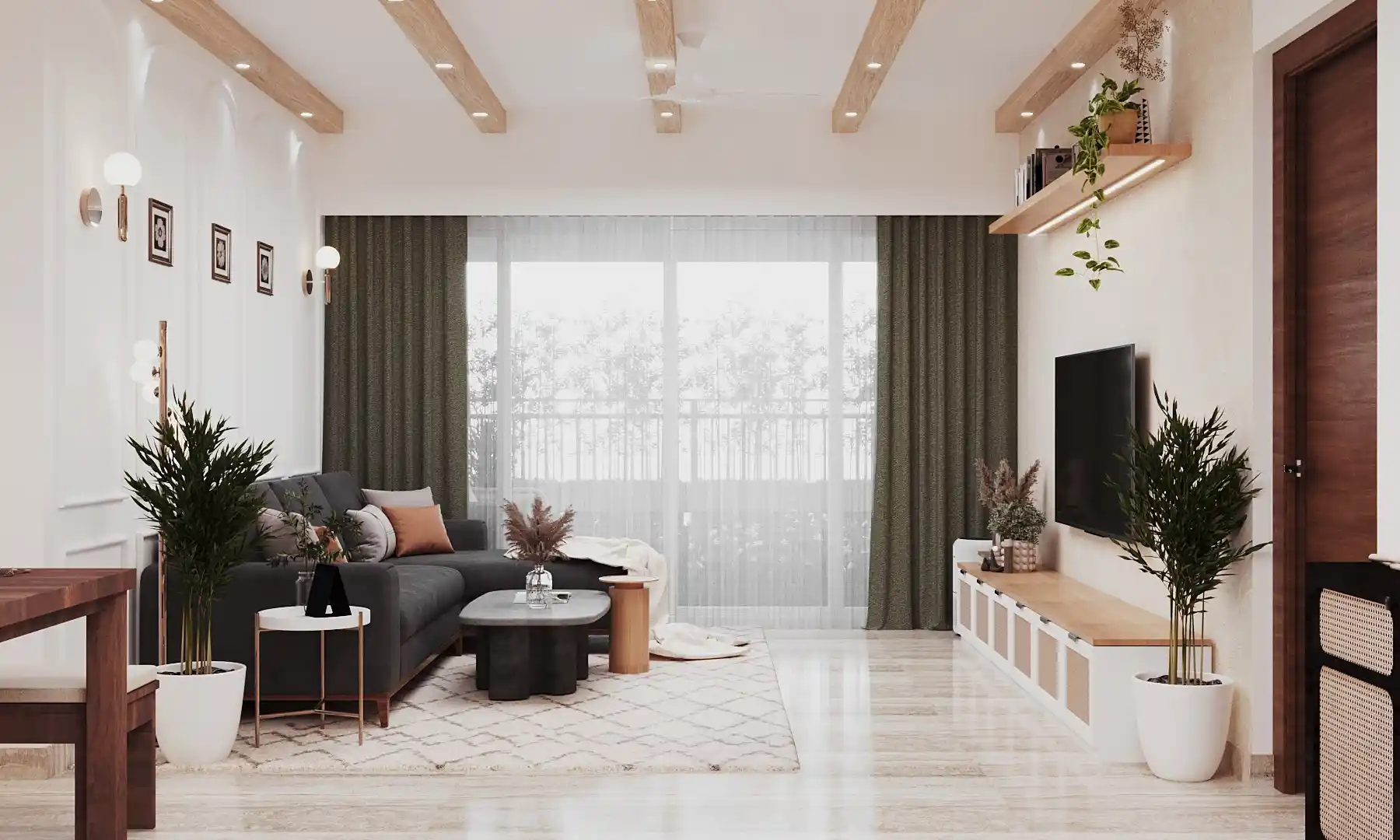
Interior design has evolved far beyond selecting attractive furniture and matching colours. It is a considered discipline that combines spatial intelligence, material expertise, lighting artistry, and an understanding of human behaviour. In a dynamic city such as Bangalore, interior designers in bangalore are helping homeowners create spaces that feel distinctive while remaining practical for everyday life.
Bangalore’s residential architecture is remarkably varied. Compact apartments, expansive villas, contemporary penthouses, and independent houses each present different possibilities. A successful interior must respond to these architectural nuances rather than impose a predetermined aesthetic. Proportion, circulation, daylight, storage, and lifestyle requirements all influence the final composition.
Creative design begins by looking at a space differently. An unused corner can become a reading retreat. An awkward wall can accommodate custom storage. A narrow passage can gain visual significance through lighting and artwork. These seemingly modest interventions can completely alter how a home is experienced.
Understanding the Art of Spatial Planning
Good design begins with the arrangement of space. Before selecting finishes or decorative objects, designers examine how occupants move through the home and how different activities interact.
A living room should encourage conversation while allowing comfortable circulation. A kitchen should facilitate efficient movement between preparation, cooking, and storage areas. Bedrooms should offer tranquillity without sacrificing useful storage. Workspaces need ergonomic arrangements and sufficient illumination.
Spatial planning becomes especially valuable in urban apartments where every square metre matters. Built-in cabinetry, multifunctional furniture, sliding partitions, and vertical storage can increase functionality without making the home feel congested.
Open layouts can also benefit from subtle zoning. Furniture orientation, flooring changes, ceiling treatments, rugs, and lighting can distinguish dining, lounging, and working areas while preserving an overarching sense of continuity.
Creating a Distinctive Visual Identity
A memorable interior usually possesses a coherent visual language. This does not mean every element needs to match. In fact, carefully calibrated contrast can create much greater sophistication.
Colour provides the initial atmospheric framework. Soft neutrals can create serenity, deep tones can introduce drama, and earthy hues can establish warmth. Carefully selected accent colours can then provide moments of visual punctuation.
Texture adds further complexity. Timber, stone, metal, glass, woven fabrics, and textured surfaces can be combined to create an interior that feels tactile as well as visually appealing. Smooth cabinetry might sit beside a rough-hewn stone surface, while soft upholstery can temper harder architectural materials.
Such combinations create a subtle visual cadence. The room feels layered, yet not cluttered.
Harnessing Natural and Artificial Light
Lighting has an extraordinary influence on how a space looks and feels. Natural daylight can make rooms appear larger and more vibrant, while carefully designed artificial illumination can establish warmth after sunset.
Window treatments should balance privacy, daylight, and visual softness. Mirrors and reflective finishes can help distribute natural brightness, while furniture placement can prevent valuable daylight from being obstructed.
Artificial lighting works best when layered. Ambient lighting provides overall illumination, task lighting supports activities such as reading and cooking, and accent lighting highlights artwork, architectural features, or decorative elements.
A pendant fixture above a dining table can become a sculptural focal point. Concealed lighting beneath cabinetry can add understated sophistication. Wall-mounted fixtures can establish intimate pockets of illumination. The possibilities are extensive.
Integrating Contemporary and Traditional Influences
Bangalore’s cultural richness provides ample inspiration for interiors. Contemporary architecture can be enhanced through elements drawn from traditional Indian craftsmanship.
Cane, brass, carved timber, handwoven textiles, terracotta, and artisanal décor can introduce heritage-inspired character without making an interior appear overly traditional. A single handcrafted piece can often achieve more impact than an abundance of ornamental objects.
Modern furniture can provide a clean backdrop for these elements. The resulting juxtaposition creates an aesthetic that feels rooted yet contemporary.
This balance is particularly valuable for homeowners who want their residences to reflect cultural influences while maintaining a modern lifestyle.
Designing Around Everyday Routines
An interior may look impressive, but its real success is determined by how comfortably people live within it. Functionality must therefore remain central to creative design.
Storage is one of the most important considerations. Bespoke wardrobes, concealed cabinets, integrated shelving, and under-bed storage can prevent possessions from overwhelming a room. When storage is intelligently incorporated into the architecture, organisation becomes almost effortless.
Different households also have different requirements. Families may need flexible spaces that accommodate children and changing routines. Professionals working remotely may require dedicated offices. Entertaining enthusiasts might prefer generous dining areas and comfortable social zones.
Design becomes genuinely creative when it solves these practical challenges without sacrificing aesthetic coherence.
Bringing Biophilic Elements Indoors
The relationship between nature and wellbeing has become increasingly significant in residential design. Biophilic interiors introduce greenery, natural materials, daylight, and organic forms to create a more restorative atmosphere.
Indoor plants can soften architectural geometry and bring vitality to neutral interiors. Timber, stone, linen, rattan, and terracotta can provide natural tactility. Large windows can connect living areas with balconies, gardens, or city views.
Even a small apartment can benefit from this philosophy. A vertical garden, a plant-filled balcony, or a natural timber feature can establish a stronger connection with the outdoors.
Incorporating Smart Technology Seamlessly
Technology is becoming an integral part of modern residential life. Automated lighting, smart security, motorised curtains, integrated entertainment systems, and intelligent climate controls can improve convenience considerably.
However, sophisticated technology should not disrupt the visual harmony of a room. Wiring and equipment can be concealed within custom cabinetry or architectural features. Smart lighting can be programmed for different moods, while integrated speakers can remain almost invisible.
The best technological solutions are often the least conspicuous. They work quietly in the background while the design remains the visual protagonist.
Choosing Materials for Longevity
A creative interior should also be durable. Residential spaces experience constant activity, so materials need to withstand regular use while retaining their aesthetic appeal.
Flooring, upholstery, cabinetry, countertops, and hardware should be selected according to both appearance and performance. Natural materials can be especially compelling because they often acquire a graceful patina with age.
Sustainable choices can further enhance a home’s character. Locally sourced materials, responsible craftsmanship, energy-efficient lighting, and long-lasting furnishings can reduce environmental impact while creating a more authentic interior.
Durability is not merely a practical concern. It is part of good design.
Personalising Every Corner
The most compelling homes contain traces of the people who live there. Books, artwork, photographs, heirlooms, travel souvenirs, and collected objects can introduce emotional resonance.
Rather than displaying everything simultaneously, thoughtful curation allows meaningful pieces to become focal points. An antique cabinet might contrast beautifully with contemporary furniture. A collection of artwork can establish a visual narrative across a hallway. A treasured object can occupy a carefully illuminated niche.
These details give an interior a sense of provenance. The home feels inhabited, individual, and authentic.
Designing Spaces That Inspire Living
Creative interior design ultimately succeeds when beauty and functionality coexist naturally. A home should look appealing, but it should also make daily life easier, more comfortable, and more enjoyable.
Bangalore’s evolving architectural landscape offers remarkable opportunities for experimentation. Contemporary forms can coexist with traditional craftsmanship, while intelligent technology can blend seamlessly with tactile materials and natural elements.
The finest interiors are not created by adding more. They are created by making better decisions about proportion, light, material, movement, and meaning.
When these elements converge, a residence becomes more than an attractive backdrop. It becomes a carefully orchestrated environment that supports everyday rituals, celebrates individuality, and inspires people to enjoy the spaces they call home.